Community
Still There? How Availability Reports Keep the Map Alive
Learn what pianos.pub availability labels mean and how a quick visit report keeps old sightings useful.
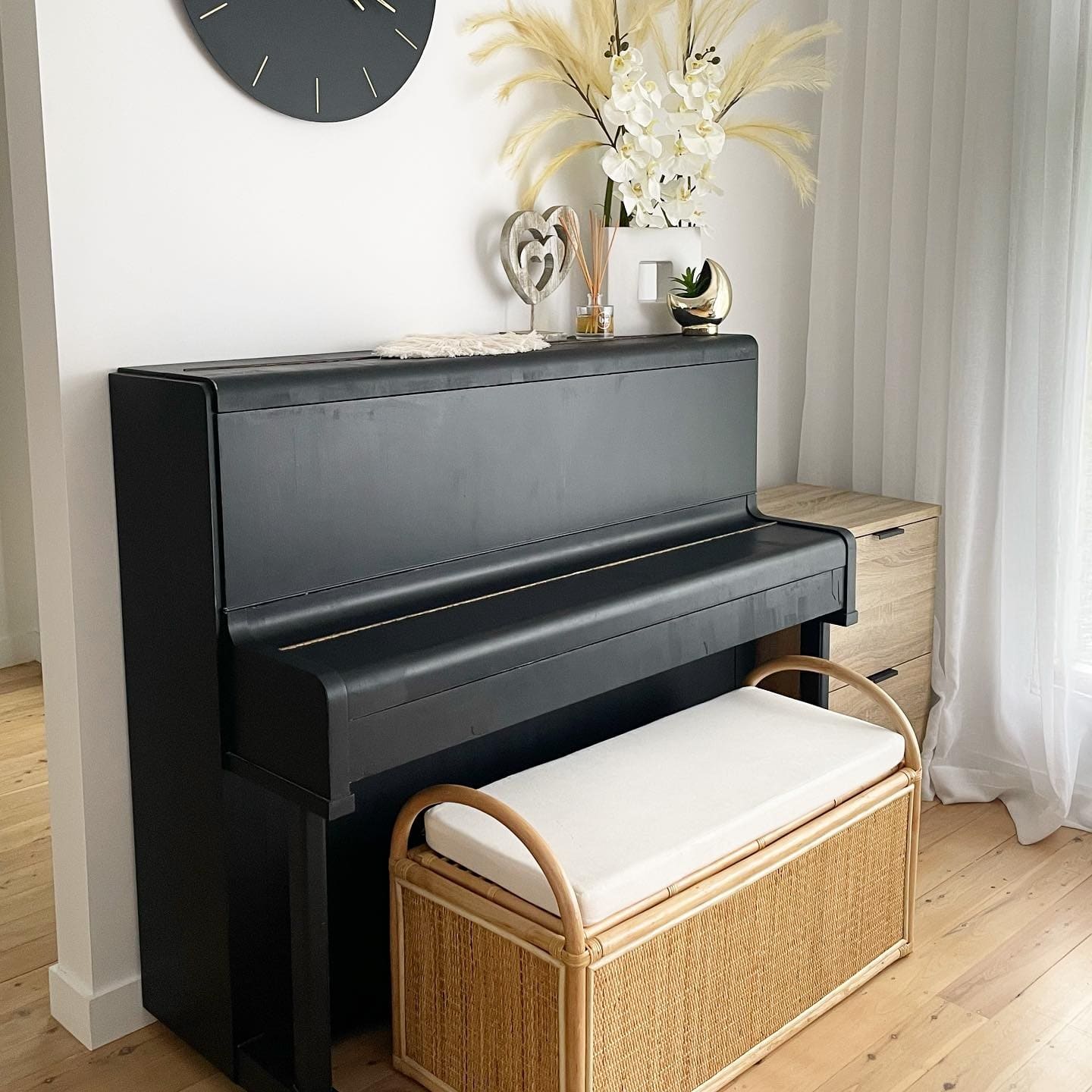
Public pianos are wonderfully unreliable.
They move inside when it rains. They disappear after a festival. A library rearranges its lobby, a café changes hands, or an airport closes a concourse. Sometimes the piano is exactly where it was five years ago, still collecting songs.
That is why every pianos.pub listing separates where a piano has been seen from whether someone has found it recently.
Three simple states
Each piano has one of three availability labels:
- Available means a Yes report or a new sighting was recorded within the last 90 days.
- Not available means the most recent report says the piano could not be found or used.
- Availability unknown means there has not been a recent enough signal to be confident.
Unknown does not mean gone. It means the map needs a visitor.
The 90-day window is intentionally cautious. A report from last week is useful for planning; one from several seasons ago is history. Even a recent Available badge is not a reservation or guarantee, because access can change with opening hours, events, repairs, and weather.
When to press Yes
Use Yes after you have recently seen the piano and it is reasonably available for the public to play. It does not need to be concert-ready. A sticky key or imperfect tuning is common enough in shared instruments.
If the piano is present but temporarily closed behind a venue door, a comment may be more informative than changing the overall state. Mention the hours or access rule you discovered.
When to press No
Use No when you visited the reported place and the piano is gone, inaccessible, or no longer playable as a public instrument.
Try not to report No simply because you could not locate it immediately in a large venue. Check the listing’s photograph and sighting notes, look around the mapped entrance, and ask staff when that feels appropriate. Airports, campuses, and shopping centers are especially good at moving things without moving them very far.
Add context with a community note
The Yes and No buttons answer the quickest possible question. Comments explain the useful details around that answer.
A good note might say:
- “Moved beside the north entrance.”
- “Available during library hours only.”
- “Still here, but the sustain pedal is broken.”
- “Removed after the summer arts festival.”
Names are optional. Links are not accepted, and the best notes stay focused on the instrument and its access.
A report is a handoff
You do not need to inspect every key or know the piano’s story. A report is simply a handoff from one visitor to the next: I was here, and this is what I found.
That tiny act keeps an old sighting useful, prevents unnecessary journeys, and gives uncertain map points another chance to become music.