Guide
Found a Public Piano? Add It to the Map
A practical guide to submitting an accurate, useful public-piano location for the next musician.
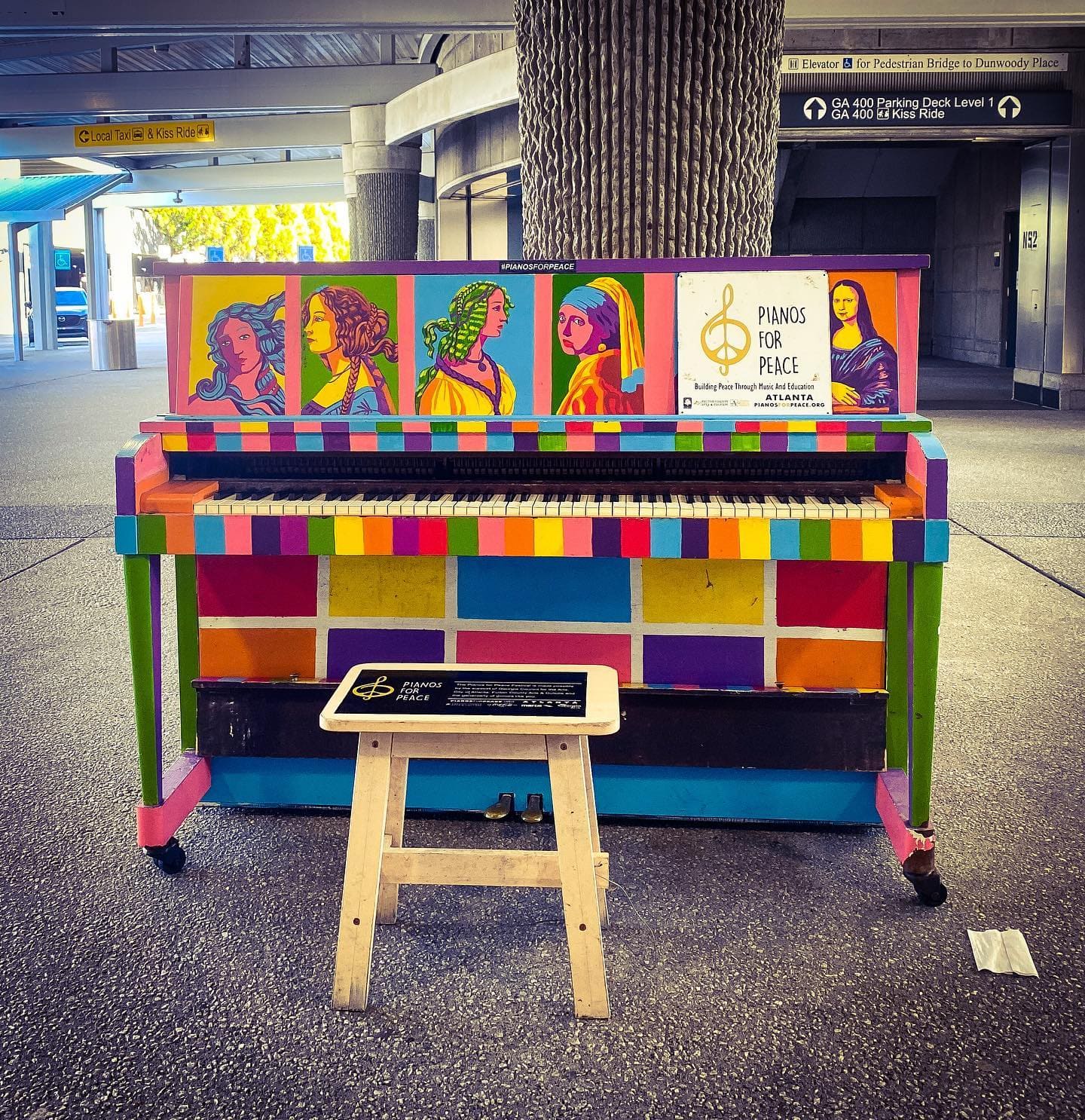
The most useful additions to pianos.pub often begin with an ordinary moment: you spot an upright near a station entrance, hear someone playing in a market, or notice a piano that has appeared in your local library.
If the instrument is genuinely open to the public, you can put it on the map in a few minutes.
First, make sure it belongs
pianos.pub is for instruments that members of the public can reasonably access. Good candidates include pianos in parks, libraries, airports, stations, community centers, cafés, hotel lobbies, and other shared spaces where visitors are invited or permitted to play.
A piano inside a private home, a locked teaching studio, or a venue where only performers may touch it should not be submitted. A piano inside a business can belong on the map when ordinary visitors are welcome to play, but note any purchase, ticket, or opening-hour restrictions clearly.
Before creating a listing, search the nearby area and zoom in on the world map. The piano may already be present under a venue name you did not expect. If it is already listed, leave an availability report or comment instead of making a duplicate.
Place the pin carefully
Open Submit a piano. The form may center the map near your current location if you allow it. You can also search for a city, address, station, or landmark.
Select a search result, zoom in, and click the map where the piano actually sits. Precision is more valuable than a long description. At a large airport or park, a pin at the correct terminal or corner can save someone a long walk.
The coordinates beneath the map update whenever you move the pin. Give the map one last check before continuing.
Describe the place for a stranger
In Where is it?, use the name a visitor will see on signs or maps: “Central Library, ground-floor lobby” is more useful than “inside the building.”
The optional notes field is the place for practical details such as:
- the nearest entrance, platform, shop, or landmark;
- the floor or room where the piano is located;
- normal opening hours or seasonal availability;
- whether permission or a ticket is required;
- the instrument’s current condition; and
- anything else that will help someone recognize it.
Keep the description factual and kind. A piano can be charming even when it is out of tune, but broken keys or restricted access are worth mentioning.
Anonymous submissions include the location and notes. Photo uploads are limited to site administrators, so a missing upload control is expected. The final verification is a small, self-hosted proof-of-work check that helps keep automated spam away without asking you to create an account.
What happens next
After submission, pianos.pub creates the location from the pin and the details you supplied. The new listing becomes another place the community can visit, report on, and keep current over time.
You do not need to write a perfect guidebook entry. A precise location and one useful landmark are enough to give the next curious musician a real chance of finding the instrument.