Community
How to Be a Good Guest at a Public Piano
Simple public-piano etiquette for sharing the instrument, respecting its home, and leaving useful notes for others.
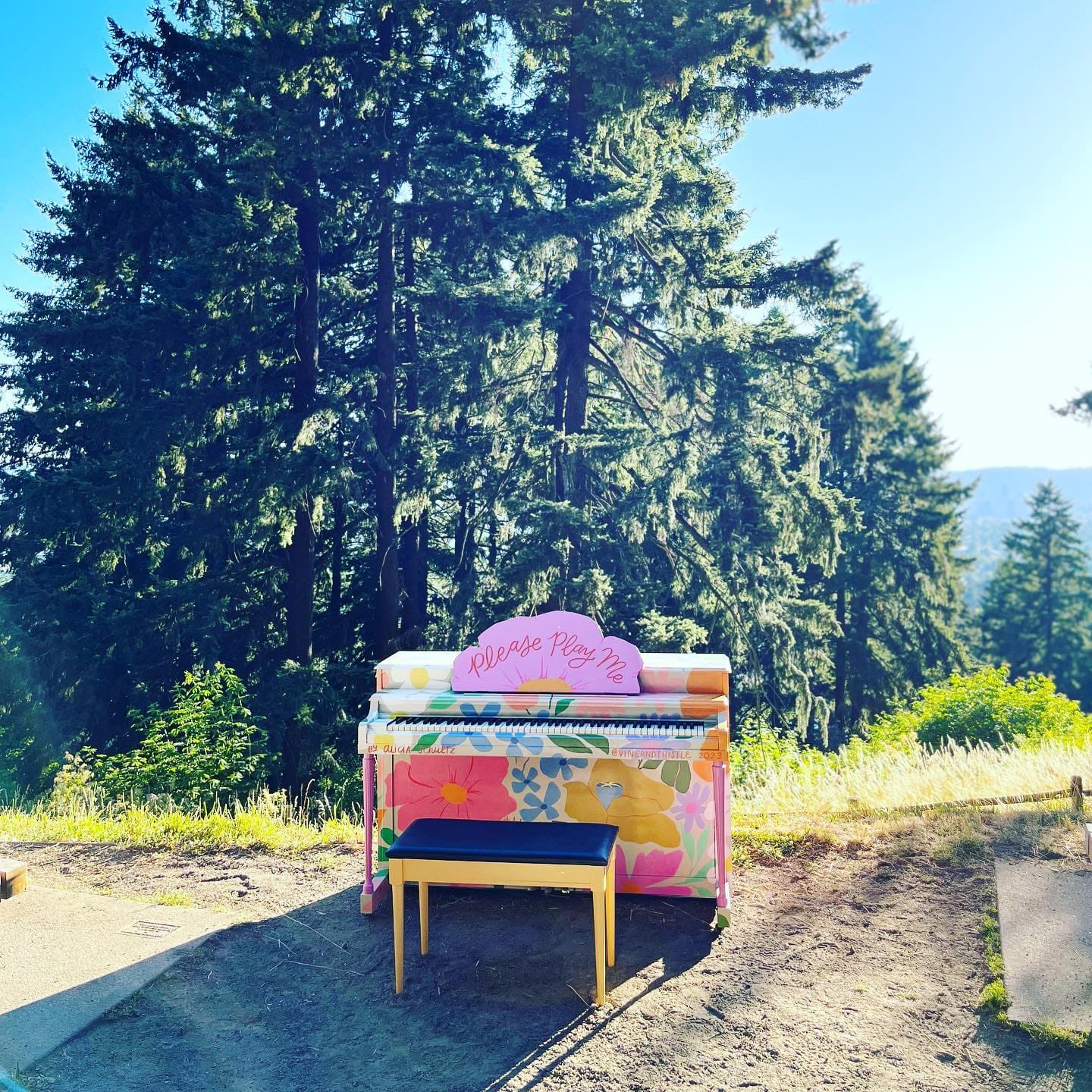
A public piano is an invitation, but it is also a shared room.
The instrument may belong to a community group, a business, an arts project, or a generous stranger. People nearby may be listening on purpose, working through lunch, waiting for a train, or trying to settle a sleeping child. Good public-piano etiquette begins by noticing that whole scene.
Check the local rules
Look for a sign on or near the piano. Some instruments have posted playing hours, time limits, or requests about food and drinks. A venue may close the piano during events even when it is normally open.
When the rules are not obvious, asking a nearby staff member is often the easiest answer. A friendly “Is this piano open for anyone to play?” takes a few seconds and prevents an awkward first chord.
Match the room
Play at a volume and length that suit the space. A lively outdoor plaza can absorb more sound than a quiet library lobby. Early mornings, late evenings, announcements, ceremonies, and nearby performances all call for extra care.
You do not need to be an expert to play. Public pianos exist for beginners, improvisers, children, professionals, and people who only remember the first half of one song. The useful question is not “Am I good enough?” but “Am I sharing this space well?”
Make room for the next person
If someone is waiting, finish the piece you are playing and offer the bench. During busy events, a few minutes can be a generous turn.
Ask before joining a stranger for a duet, singing over their playing, filming them closely, or placing a child beside them on the bench. Music can make a place feel instantly communal, but participation still deserves consent.
Keep bags, drinks, and food off the instrument. Move the bench gently, and return it when you are done. If the piano has a cover, follow the instructions posted by its caretaker rather than guessing whether it should be opened or closed.
Notice problems without becoming the repair crew
Public pianos live difficult lives. Weather, heavy use, and transportation can leave them with sticky keys, broken pedals, or dramatic tuning.
Do not open the case, move the piano, apply cleaning products, or attempt a repair unless you are responsible for the instrument. Even a well-meant fix can damage the mechanism or create a safety problem.
Instead, tell venue staff when the issue is urgent. Then leave a short note on the piano’s pianos.pub listing so future visitors understand its condition. Use No if it is no longer available as a playable public instrument; otherwise a comment can preserve the nuance.
Leave with the invitation intact
The best public-piano moments are not always polished performances. They are exchanges: a song offered to a place, a stranger pausing, another player taking the bench, and the instrument remaining ready for whoever comes next.
Be gentle with the piano, generous with the room, and curious about the people around it. That is enough.